














In the beauty community and beyond, we've gotten very good at calling out our skincare shortcuts. Sleeping in makeup, skipping SPF, picking at a pimple on a 1AM trip to the bathroom; we know what's harmful, and we know better. But no matter how closely we interrogate our skin routines, many of us haven’t quite had the same reckoning with our hair.
This might be because a quick slick-back or a spritz (or five) of dry shampoo doesn't feel like a shortcut so much as a way to wrangle back ten minutes in the morning, or because nobody's clutching their pearls over a tight bun the way they would an unwashed makeup brush. And yet, the skin on our head is still skin, and it's been absorbing the consequences of our convenient hair habits all the same. Here are five of the most common offenders, and what to do instead.






1. A Slick Back A Day
A sleek, scraped-back bun or ponytail is the fastest hairstyle known to woman, which is exactly why so many of us default to it daily. As chic as it looks, the cost is a constant, lowgrade tug in exactly the same spot, day in, day out. Over time, that can tip into traction alopecia, a form of hair loss caused by sustained pulling. It tends to show up right where you'd expect, along the hairline and temples, and often starts as a bit of thinning or breakage that's easy to write off as something more commonly tutted at (hello, heat damage!). The good news is that, caught early, it can reverse itself once you ease off the tension!
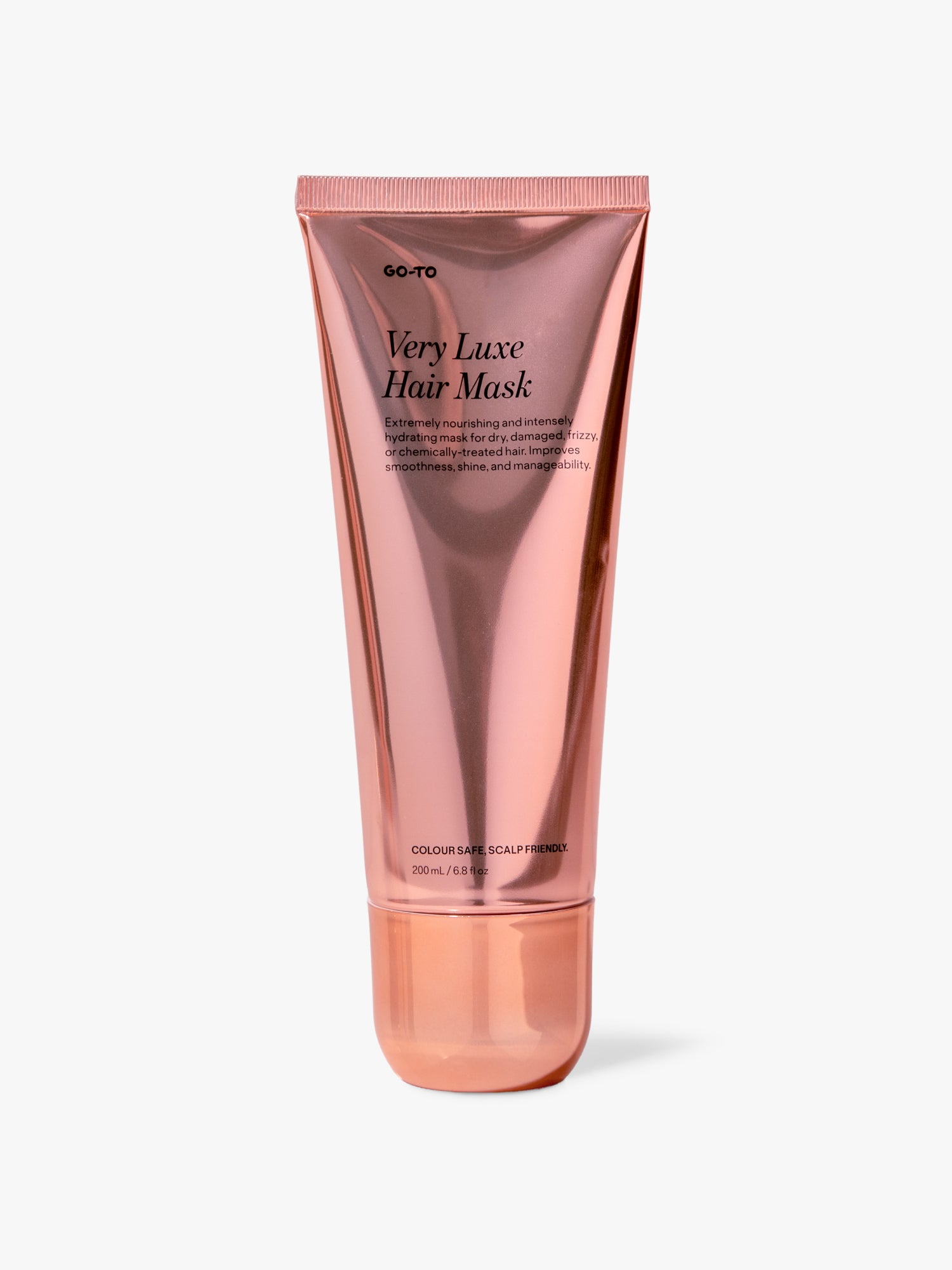
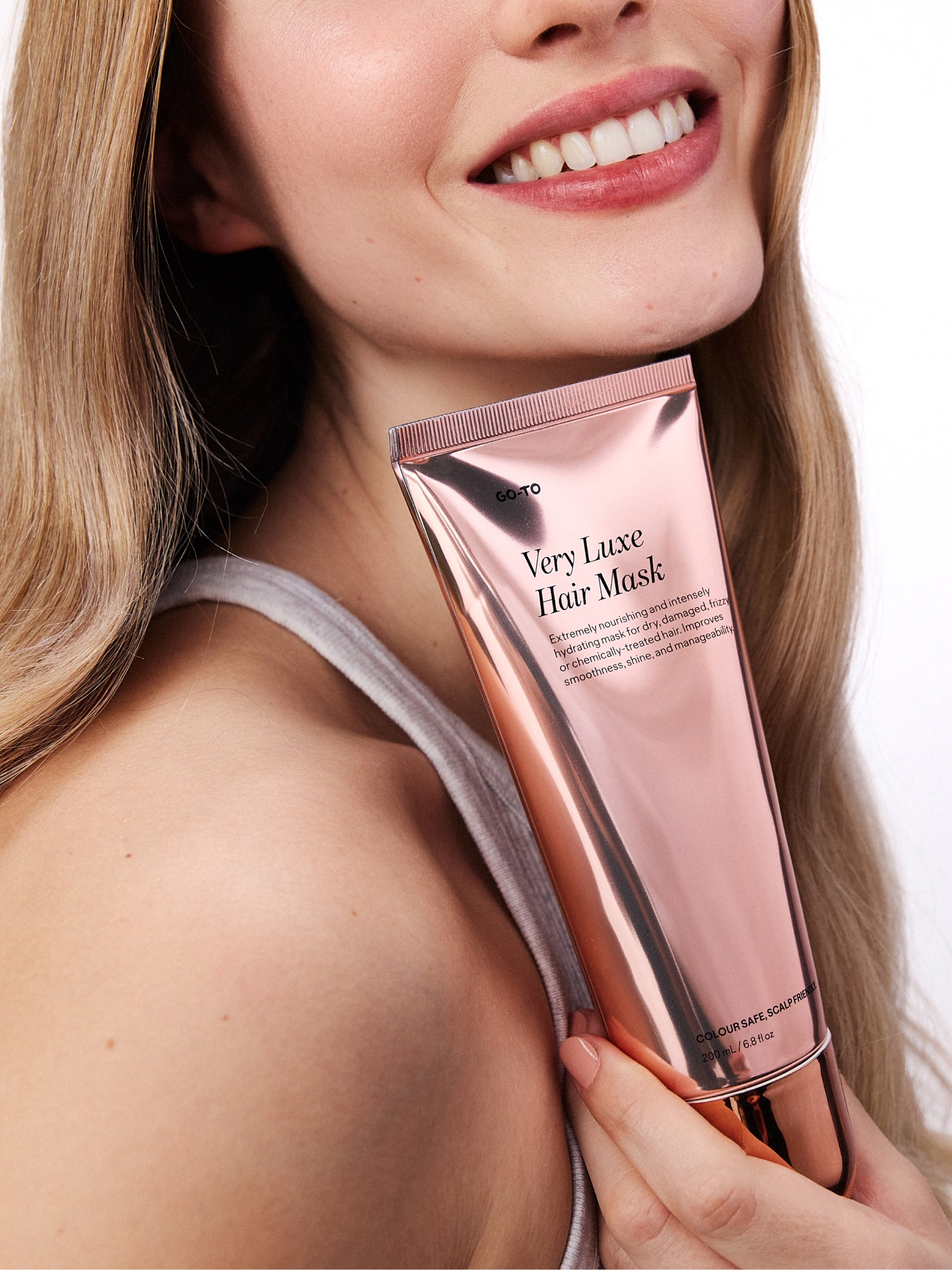
If you simply must rock a sleek updo, do those tired little follicles on your head a favour and rotate the placement. Wear it low one day, high the next, or opt for a different part altogether. Even better, swap the gel for a hydrating hair mask every now and then.
2. The Spray And Pray Technique
Dry shampoo is the ultimate convenience product. You simply spray, tousle, and your bad hair day is (allegedly) solved! However, dry shampoo is built to soak up oil and yesterday's product between washes, not to replace washing indefinitely. Used as intended, most people are completely fine. Some of us, however, are leaning on it daily. Do that for long enough and you risk irritating your scalp, or even developing folliculitis.
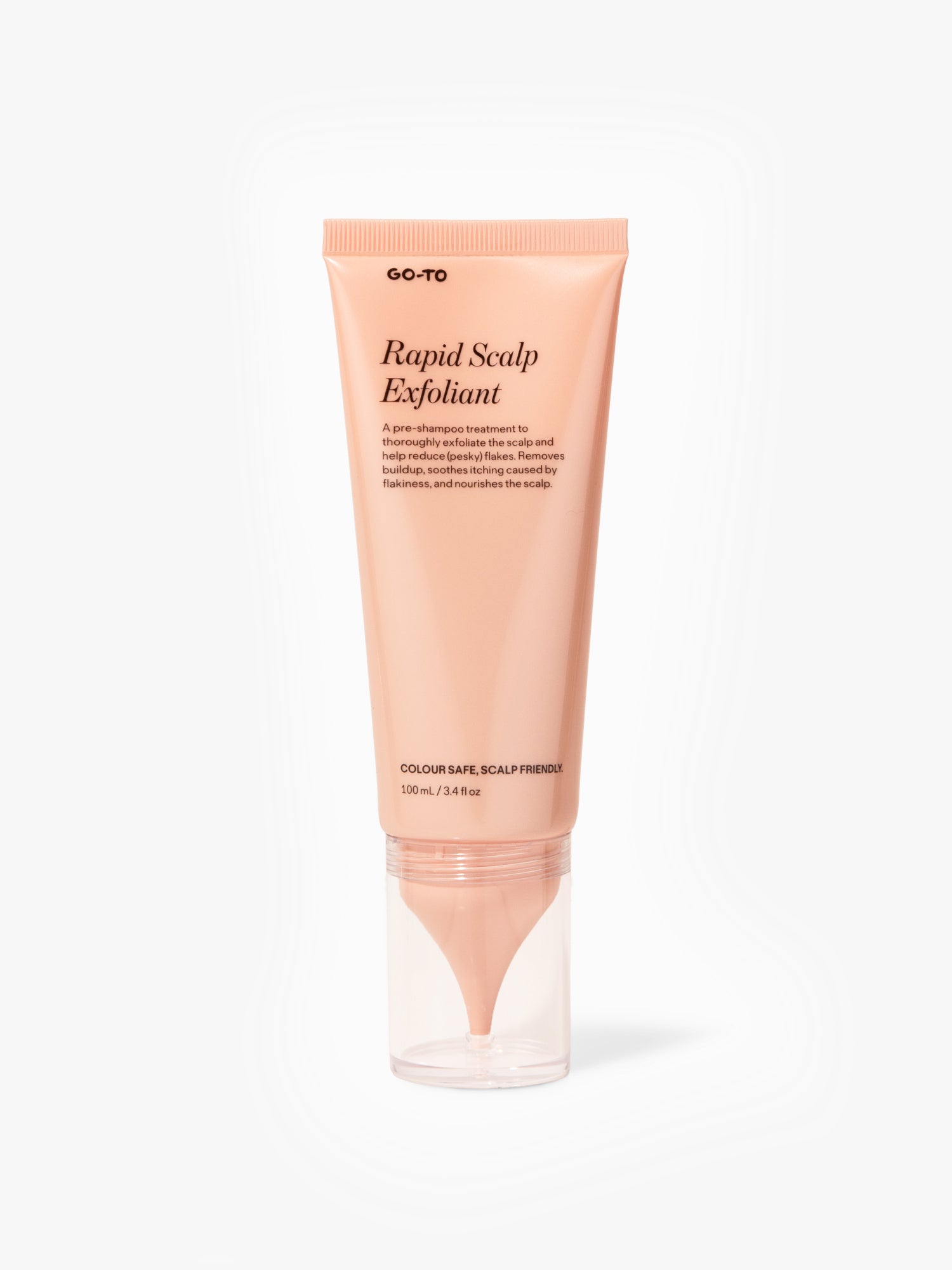
Aim to limit dry shampoo to once or twice a week and use it only as a top-up, not as substitute for a wash day. Consider adding a scalp exfoliant to your regimen to help remove the buildup, too.
P.S. If your scalp already runs sensitive or flaky, be extra honest with yourself about how often that can is coming out.
3. Drying Your Hair Like You’re Mad At It
A vigorous towel rub can take hair from soaking to merely damp in a matter of minutes, which is precisely the problem. When hair is wet, the cuticle (aka the outer protective layer) is lifted and swollen, leaving the rest of the strand more fragile and exposed than usual. Wet hair sustains significantly more mechanical damage than dry hair, so the rougher the drying method, the worse the outcome for your locks, and a regular cotton towel in that situation is about the least gentle combination possible.
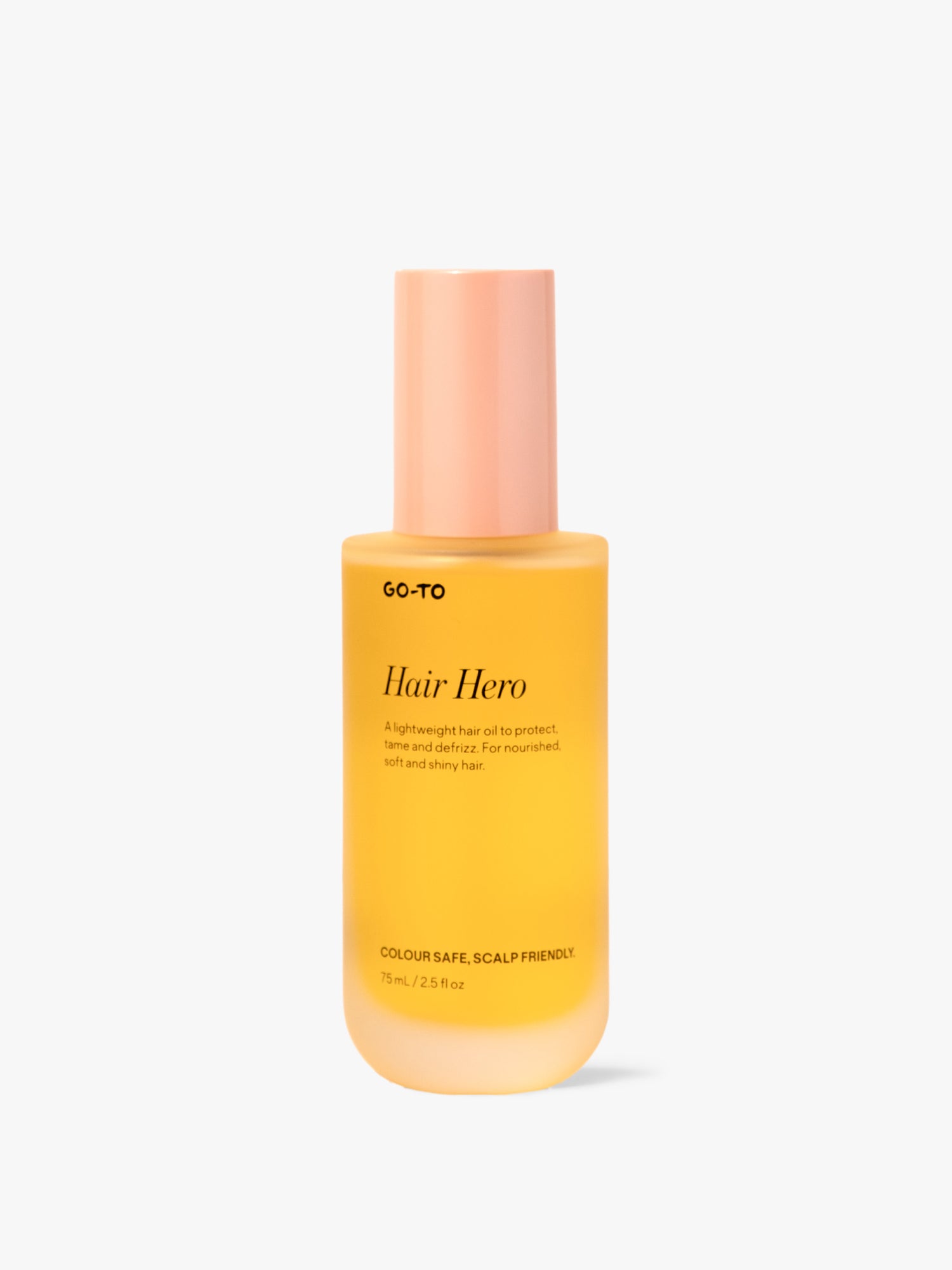
For healthier hair, blot rather than rub, ideally with a microfibre towel or an old t-shirt (remember that graphic tee that’s been in the back of your cupboard since 2016? That’s perfect!). Then, while hair is still damp, work through a lightweight leave-in treatment before it dries. Hair is most receptive to product right after washing, so two minutes here goes further than you'd think.
4. Brushing Your Hair From The Wrong End (Yes, There Is A Wrong End)
Most people brush their hair the same way they always have, moving root to tip quickly and without much thought. However, starting at the root drags knots down the entire length of the shaft, creating more tension and breakage than if you start at the ends and work your way up. It's a small mechanical difference that can have a compounding effect, especially on wet or fragile hair.
Instead, take a wide-tooth comb and start at the ends, working in sections to move gradually upward toward the root. Once knots have been detangled, you can introduce a brush. It takes marginally longer and does considerably less damage.
5. Treating The Haircare Aisle Like a Lucky Dip
Most of us wouldn’t buy a moisturiser without a personal reference and a full social media deep-dive into its efficacy, but would happily pick up whatever shampoo meets us at eye level in the shops… which is strange, considering the scalp is skin and deserves the same consideration.
The supermarket hair aisle is designed for speed, enticing you to grab what's familiar, what's on sale, or whatever has the prettiest packaging. However, like lathering a thick moisturiser on oily skin, using the wrong formula for your hair type can work against you. A stripping shampoo on a dry scalp, a heavy formula on fine hair, or a scalp scrub that aggravates rather than regulates might not cause obvious damage overnight, but months of it add up in ways that are easy to mistake for just having “difficult” hair.
Instead, treat your haircare like skincare. Work out what your scalp actually does (whether you’re a dry, oily, sensitive, or flaky gal) and shop accordingly.
After all, the same care and dedication we've learned to bring to our skincare regimen deserves a spot in the shower too. Your scalp and strands will thank you!
Comments