











We’ve said it once—and we’ll say it again—hair and skin have a lot in common. Particularly when it comes to their mutual love of routine.
Just like skin, hair benefits from consistency. A trip to your salon might leave your hair looking its very best the same way a trip to your facialist might leave your skin looking reborn. But the long-term health of both your hair and skin? That’s decided at home by how you care for them, day in and out.
So how to build a reliable haircare routine that’s equal parts simple and effective? We’re so glad you asked.






First Up: Identify Your Hair Type And Texture
The way you start caring for your skin is the same way you start caring for your hair: You find your type.
Haircare is most definitely not one-size-fits-all, anyone who has had to wash and dry their hair using a shower (and products) that aren’t their own can attest to this. Understanding your specific type plays a huge role in understanding what your hair actually needs.
Generally speaking, there are three things to consider: your hair type, your hair texture, and your scalp. While they're all connected, they each tell you something different.
Hair type refers to your curl pattern—straight, wavy, curly, or coily. This can influence everything from how often you wash your hair to how much moisture it naturally retains.
-
Straight: Oil travels easily from root to tip, so hair can become oily more quickly, but it’s often more reflective and shiny.
-
Wavy: Sitting somewhere between straight and curly, wavy hair can be prone to both frizz and flatness, depending on humidity and styling.
-
Curly: Natural bends in the hair make it harder for oils to travel down the strand, meaning curls typically need more hydration and nourishment.
-
Coily: Tightly coiled strands are the most delicate hair type and generally benefit from rich moisture, gentle handling, and protective styling.
Hair texture is all about the thickness of each individual strand. Fine hair tends to get weighed down more easily, medium hair sits somewhere in the middle, and coarse hair usually benefits from richer, more nourishing formulas.
-
Fine: Delicate strands that can lack volume and become oily or weighed down more easily, making lightweight products your best mate.
-
Medium: This is the happy middle ground. Strong enough to tolerate most styling but still benefiting from a balanced routine.
-
Coarse: Thicker, stronger strands that are often naturally drier and can handle richer conditioners, masks, and oils without that feeling heavy.
How To Build A Haircare Routine
What is it they say? If the cleanse-treat-nourish-protect system ain’t broke, don’t fix it?
The good news is, you can build a haircare routine using the exact same logic as your skincare routine.
Part 1: Cleanse
This is your shampoo step.
Just like a facial cleanser removes makeup, sunscreen, and excess oil from your skin, shampoo washes away sweat, sebum, product build-up, pollution, and everything else that's been hanging out on your scalp.
And just like washing your face, your hair can also benefit from a double cleanse.
Most days, this will come first but on days you’re using your treatment product, cleansing comes second.
Part 2: Treat
This is where targeted treatments come in.
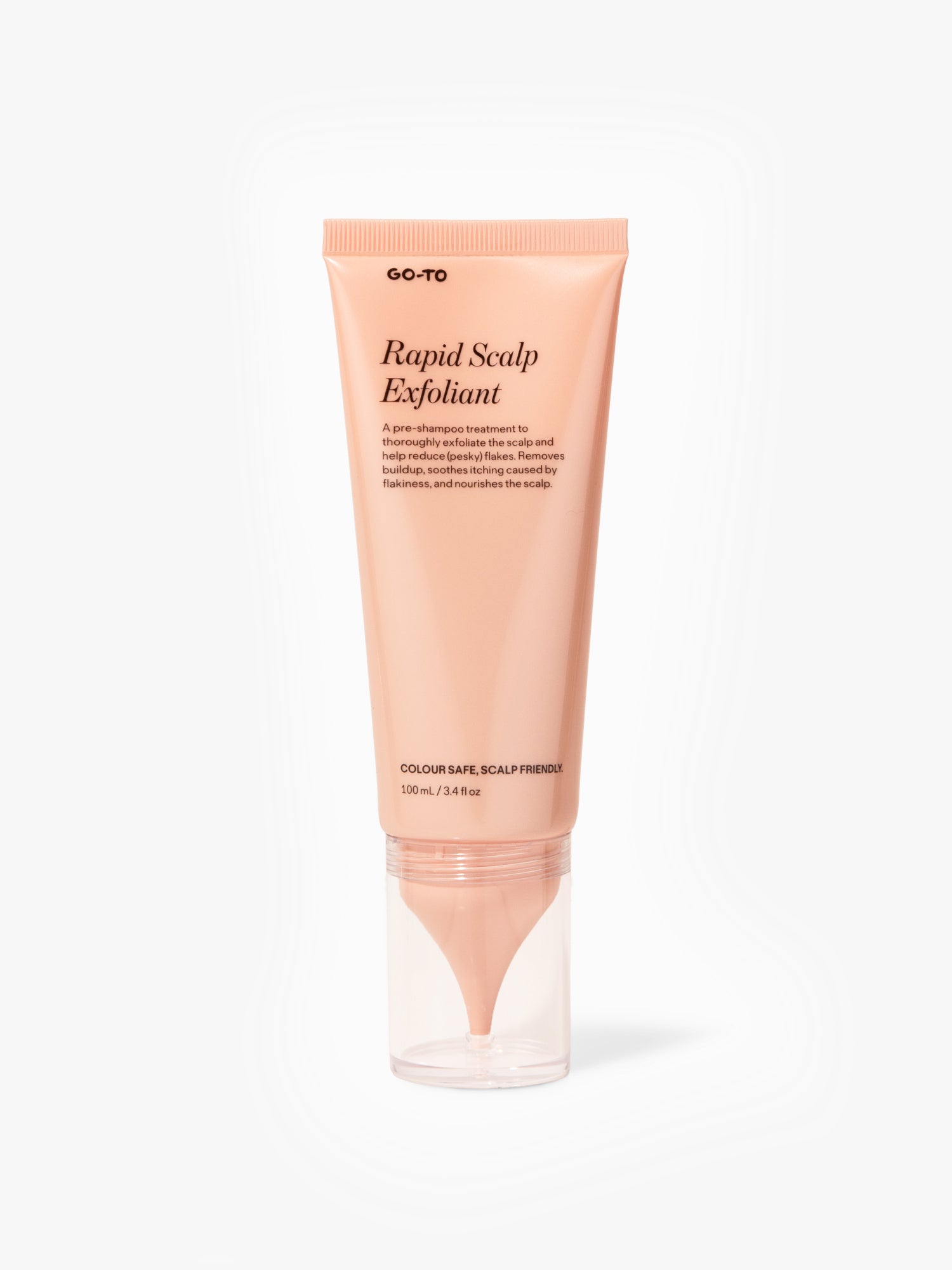
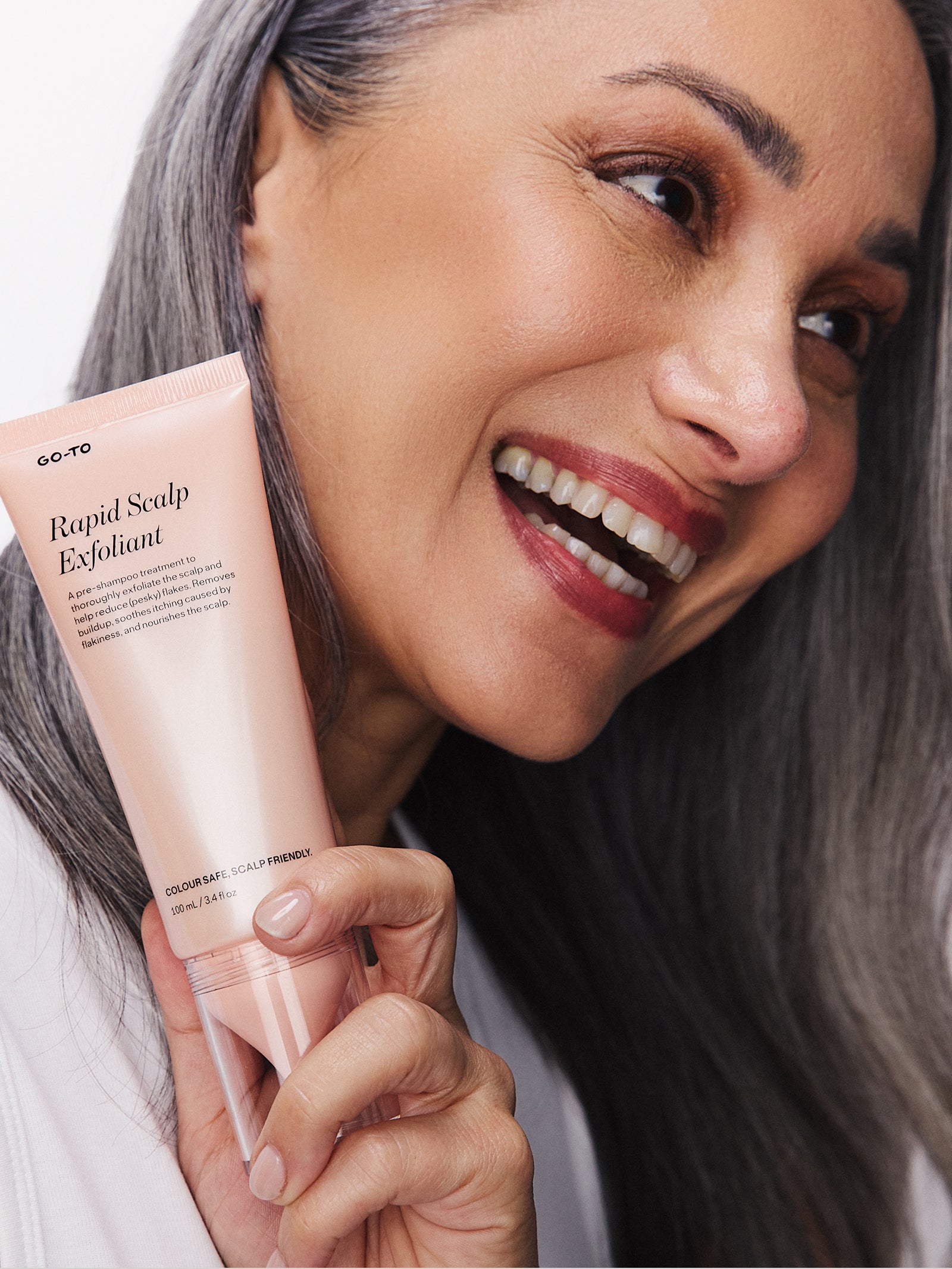
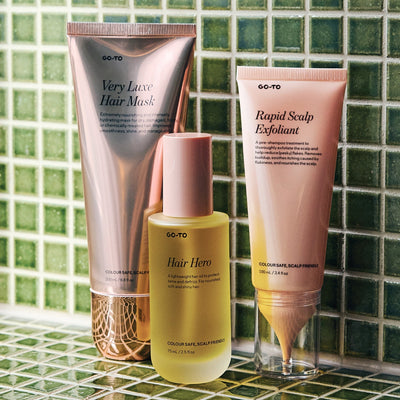
Think scalp exfoliants, scalp serums, or treatments designed to address specific concerns like excess oil, flakes, dryness, or product build-up. A healthy scalp creates the best environment for healthy-looking hair, so don't skip straight to treating your lengths.
Unlike skincare, your hair treatment step tends to usually come before your cleansing step.
Part 3: Nourish
This is your time to replenish your lengths with conditioner or hair mask.
Conditioner helps replenish moisture lost during cleansing, smooth the hair cuticle, and leaves hair softer and shinier. Think of it like your moisturiser.
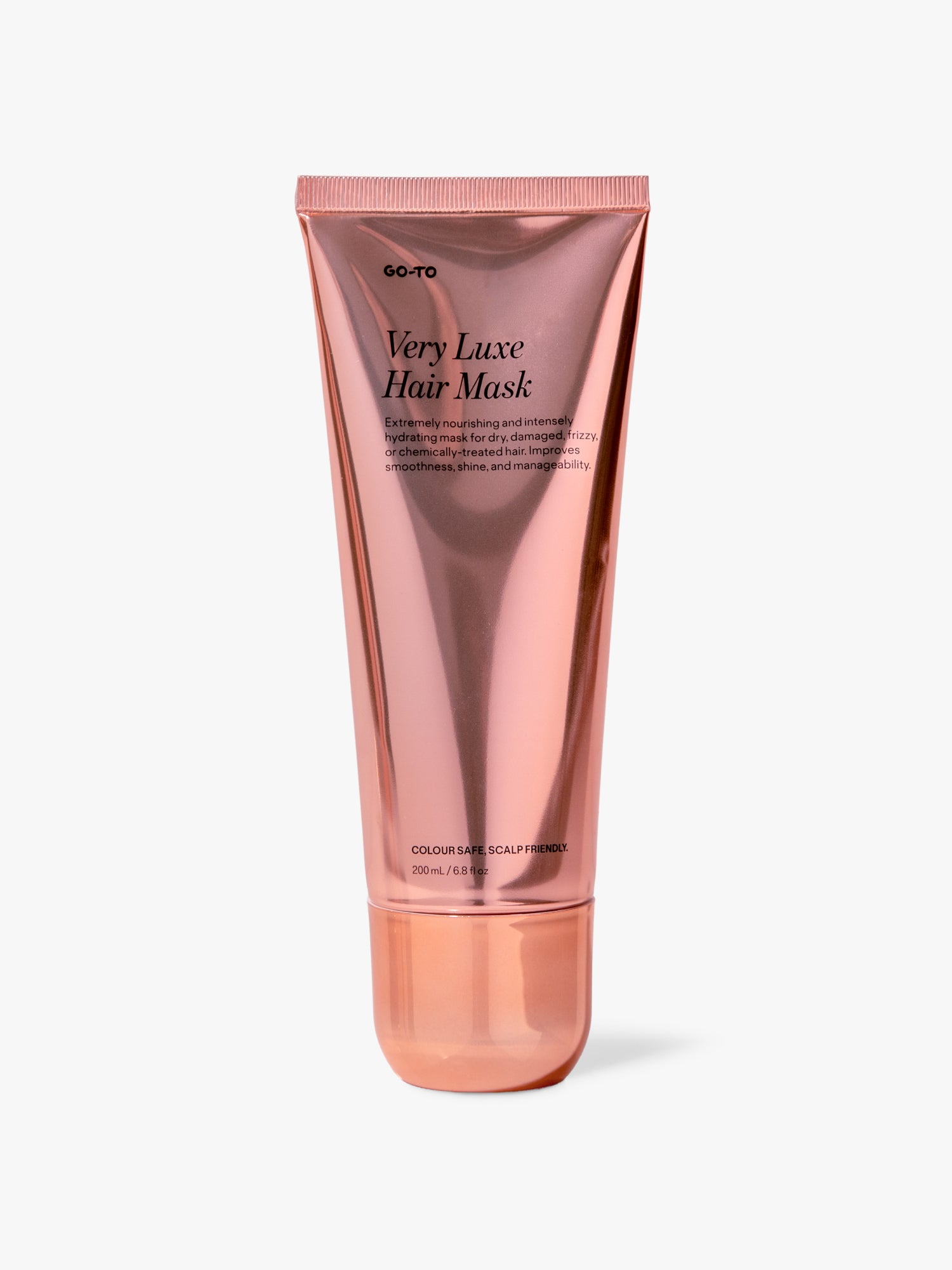
Hair masks are like the richer, more intensive version of conditioner. Reach for one when your hair is feeling particularly dry, damaged, unmanageable, or in need of a little extra love ‘n’ care.
Part 4: Protect
The final step is all about preventing future damage.
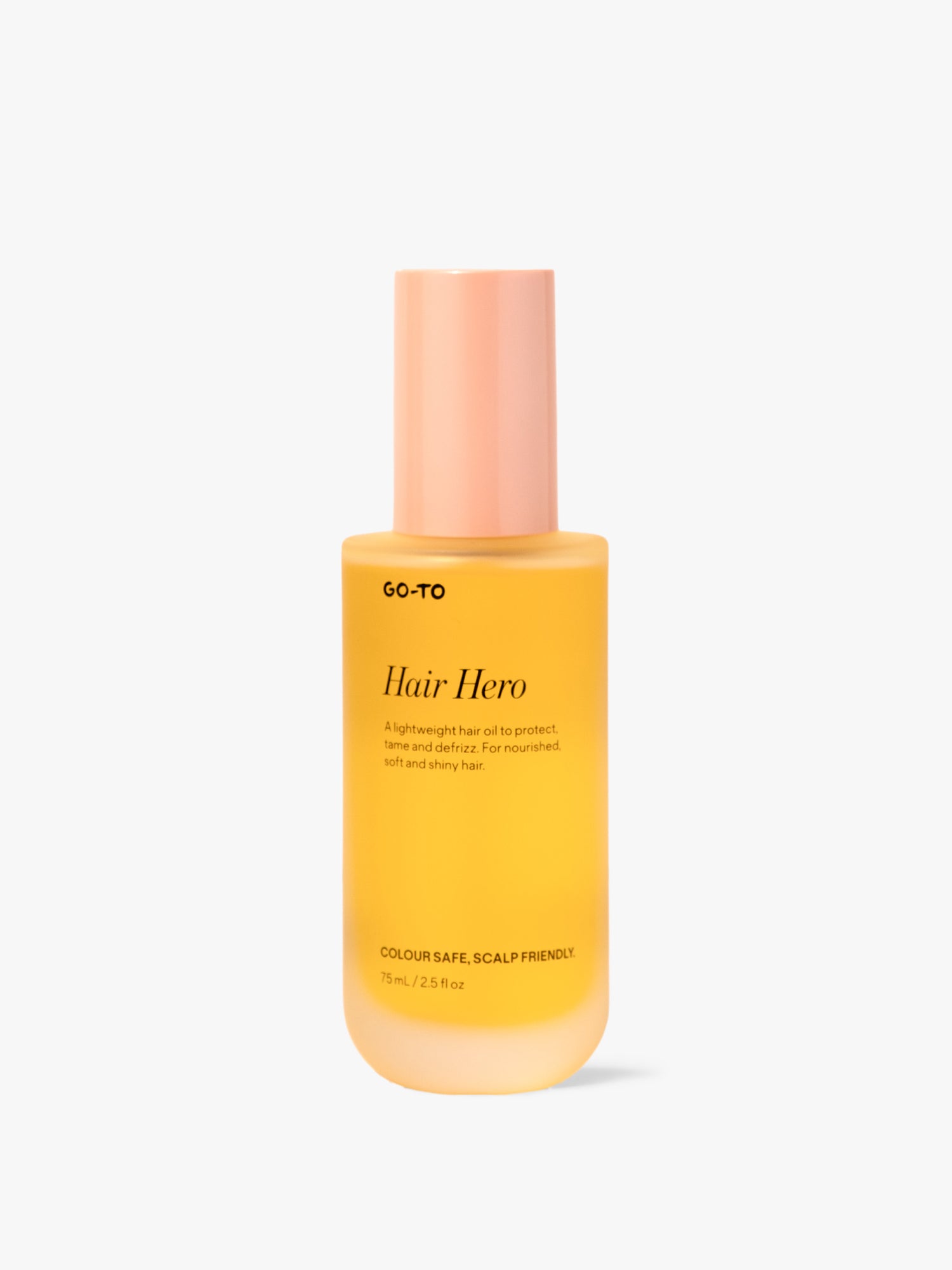
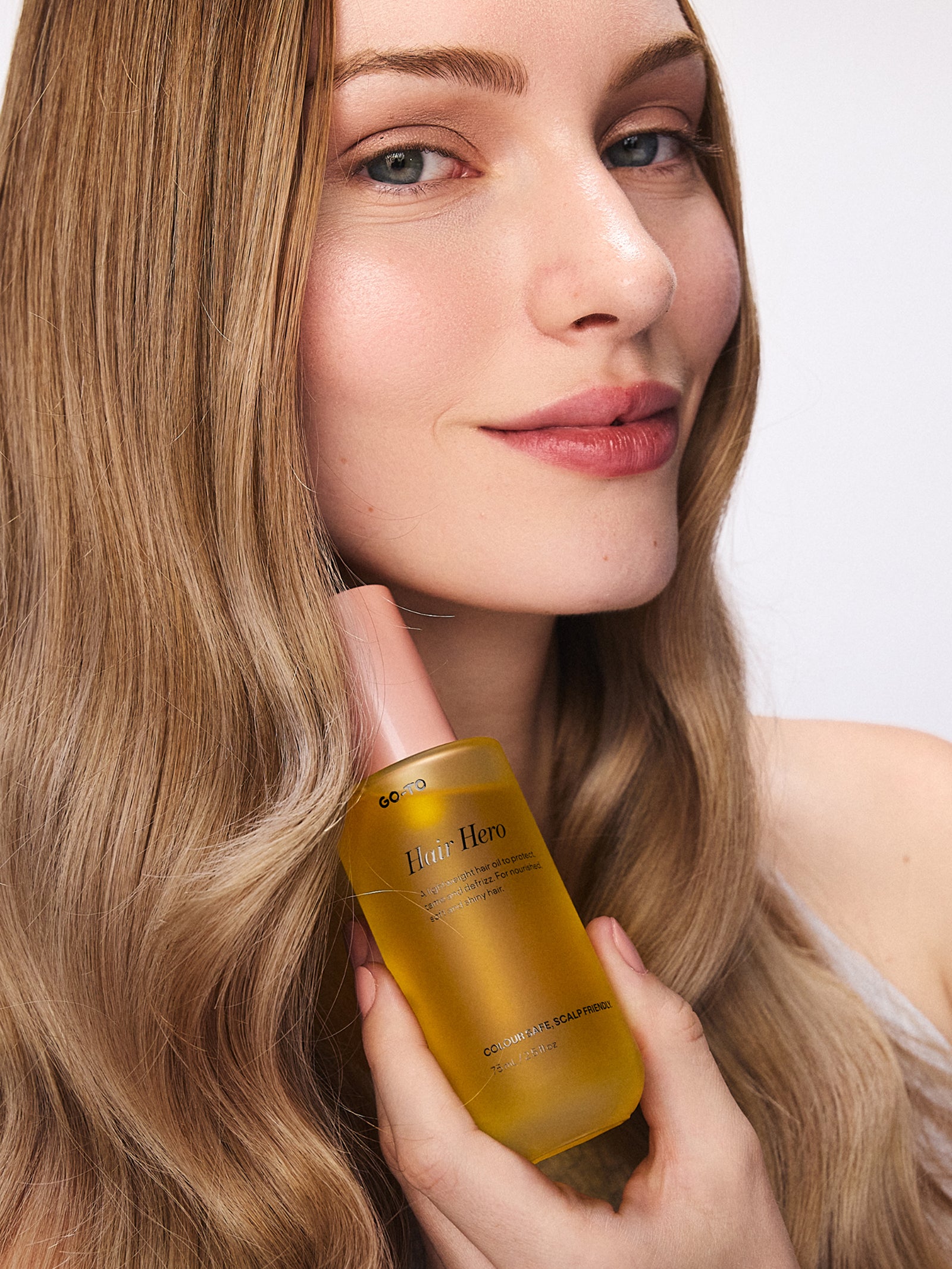
We take ours in the form of an antioxidant-rich oil. While its heat-protectant smarts help minimise damage from styling tools, the nourishing hair oils protect the hair fibre from everyday wear and tear. (UV damage, pollution, and other environmental stressors.)
Comments