














The world of skincare is overrun by conflicting advice on what to use, when to use, and how to use it. But among all the noise, there’s a clear consensus that if you're over 25, you should very likely be using vitamin A.
Recognised as the gold-standard of skincare, vitamin A (like retinol/retinal/ tretinoin) is effective, efficient, and backed by a bucketload of clinical research and a legion of diehard fans. Each with enviably smooth, glowy complexions.
But right next to that sprawling list of results, you’ll find a fairly intimidating list of side effects. We’re talking: Compromised skin barrier, sensitised skin, breakouts, peeling, a new-found distaste for pineapple on pizza. (Terrifying!)
These possible reactions shouldn’t immediately rule our sensitive skin have-rs our from incorporating vitamin A into their routine (and reaping the benefits).
Here’s everything you need to know about using vitamin A for sensitive skin.





What Vitamin A Is Right For Sensitive Skin?
For sensitive skin types, it’s crucial to find the right type of vitamin A serum for that cute face of yours.
Quick refresh: Vitamin A skincare helps to boost cell turnover in the skin. But in order to reap the skin-brightening, collagen-boosting, acne-reducing rewards, vitamin A needs to be converted to retinoic acid. Which happens naturally when applied to the skin.
Prescription retinoids (like tretinoin, isotretinoin) are already retinoic acid. No conversion needed. They are in their active form, and can get straight to work on the skin. Retinol, on the other hand, is two steps away from becoming retinoic acid.
Retinal, however, is just one—a direct precursor.
What does all this science mean for sensitive skin? Since retinal converts more efficiently to retinoic acid, lower concentrations can still deliver meaningful results.
Retinal is known to be effective even at lower strengths—and in the world of vitamin As, a lower strength formula usually comes with a lower likelihood of irritation. (Obviously, this varies face to face.)
In short, if you have sensitive skin, retinal might be a good vitamin A option for you.
How To Choose The Right Vitamin A Serum For Sensitive Skin?
When it comes to finding a vitamin A for sensitive skin, everything beyond the vitamin A plays a major role in managing reactions.
For sensitive skin, a serum that balances the spiciness of vitamin A with soothing skin staples is your best bet. Vitamin A alongside more gentle, calming ingredients can help protect the skin from flare-ups.
Look out for ingredients like:
-
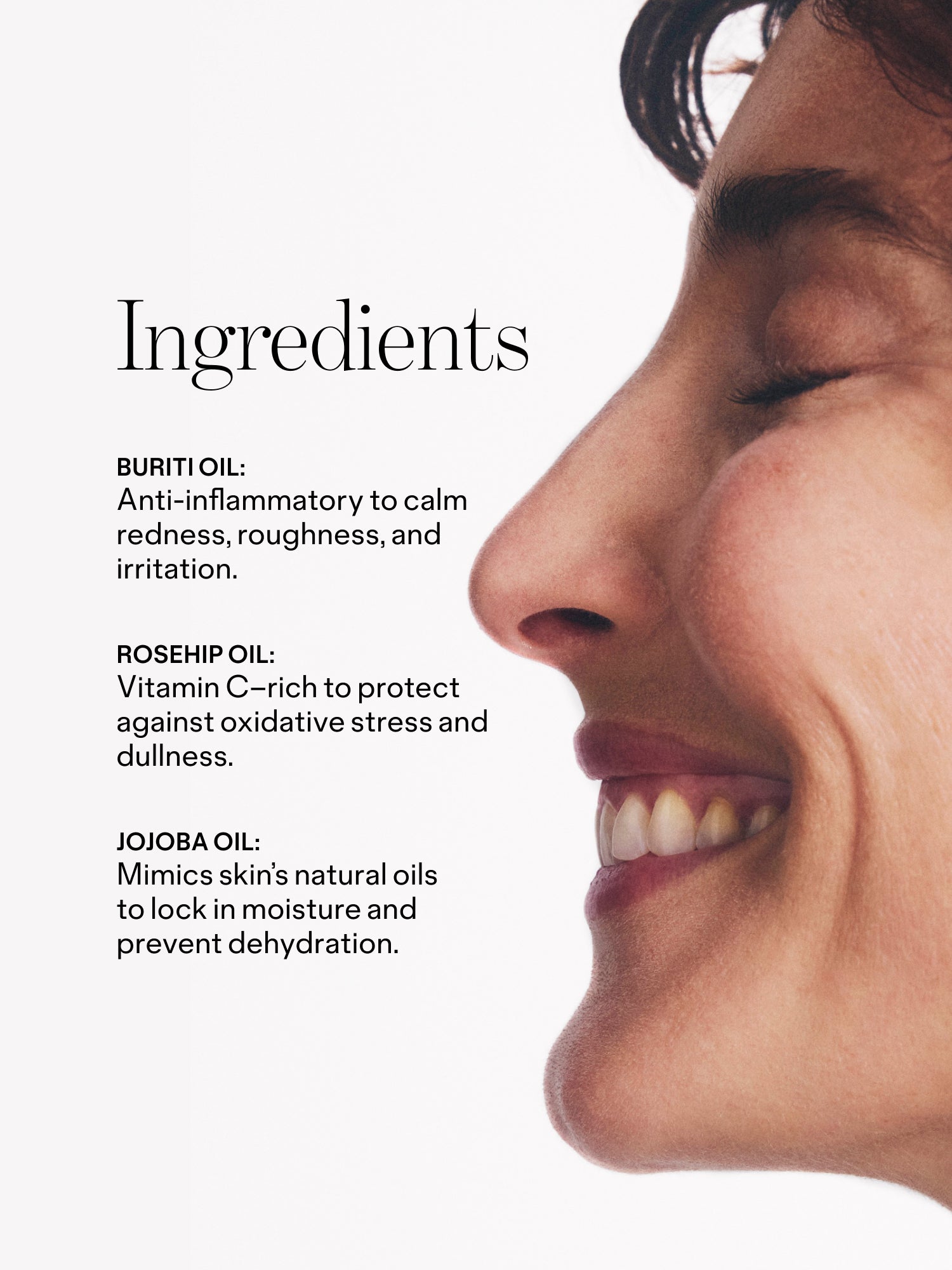
Orobanche extract: Contains bioactive compounds that help calm visible redness and reduce signs of skin reactions.
-
Niacinamide: A form of vitamin B3 that helps strengthen the skin barrier and calms redness.
-
Mushroom extract: Rich in polysaccharides and antioxidant compounds that help hydrate, soothe sensitivity, and protect skin from environmental stressors (the ones that can cause more irritation) .
-
Centella (or cica): Contains compounds known to support skin repair, reduce visible inflammation, and help strengthen a compromised barrier.
How To Use Vitamin A On Sensitive Skin?
-
Patch Test
Vitamin A is known to come with side effects—but these definitely shouldn’t include immediate stinging or discomfort.
Before you start slathering your face in vitamin A, patch test. We even made you a handy guide on how to do this over here.
-
Start Low And Slow
When it comes to vitamin A, you should start incorporating it into your skin routine slowly—once a week while your skin builds its tolerance and adding more active nights a week from there. (And only! If your skin can handle it.)
Opt for the sandwich method at first—using your retinal serum between two layers of moisturiser. This can help prevent potential skin irritation since the first occlusive layer of moisturiser acts as a cool buffer between vitamin A and your skin. This leaves less room for retinal molecules to sink in, lessening discomfort when first introducing the product into your skincare routine.
-
Play By The Rules
All those lovely words on the back of your vitamin A serum? They’re the key to getting the best results from the product. Follow them!
Make sure you’re only using the recommended amount (usually a pea-sized amount), you’re following on with sunscreen in the AM, and keeping the rest of your routine simple and gentle. Dr Cara McDonald takes you through all the retinal rules over here.
-
It’s A Team Effort
Remember when I said it’s what else is incorporated into your vitamin A serum? The same goes for the skincare you use alongside it. Especially moisturiser.
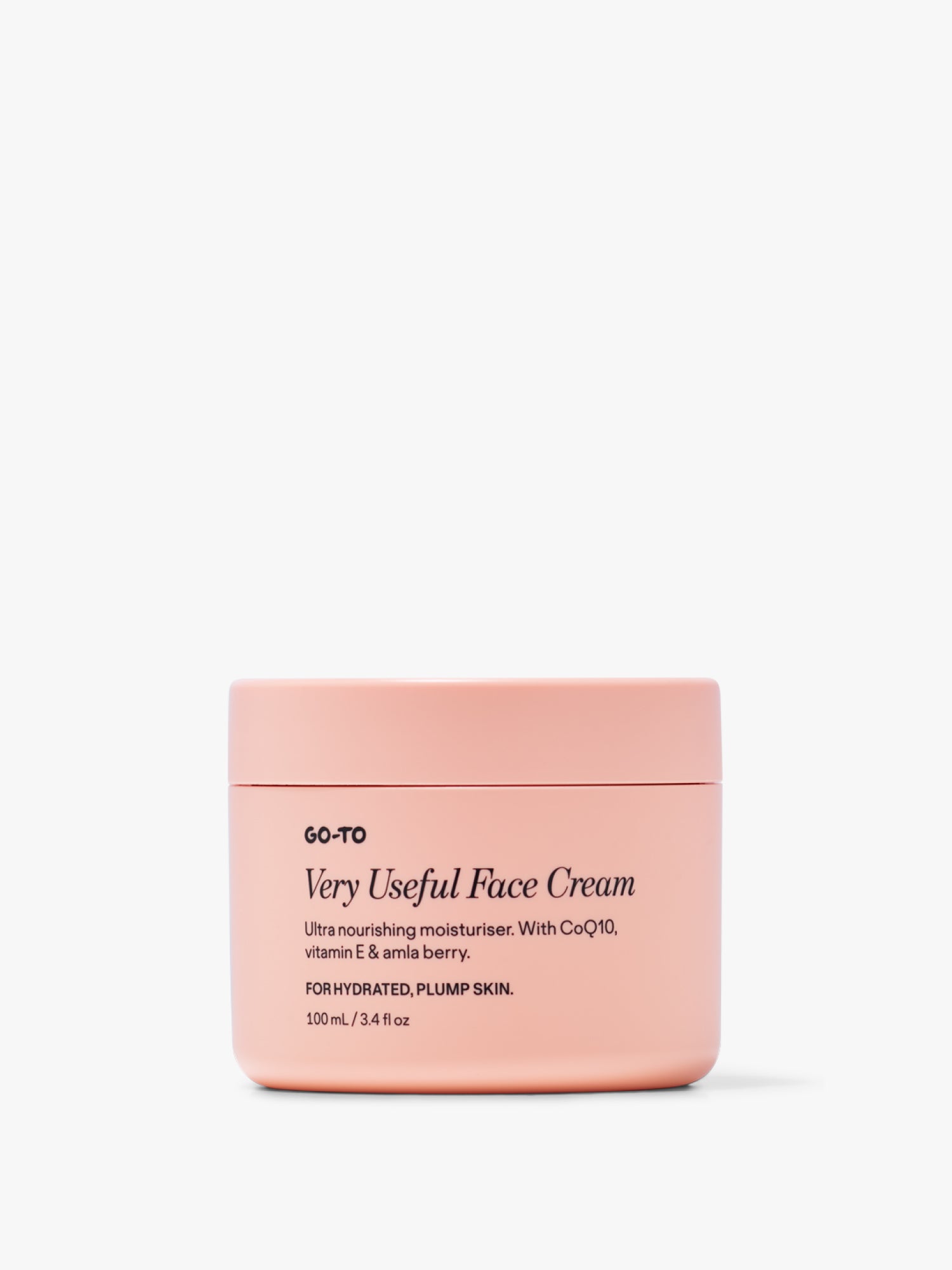
Moisturiser crucially helps to prevent irritation when starting vitamin A. Retinal works by speeding up your skin cell turnover—leading to that delightfully smooth, clear, firmer-looking skin. But faster cell turnover can royally Piss Off your skin barrier at first.
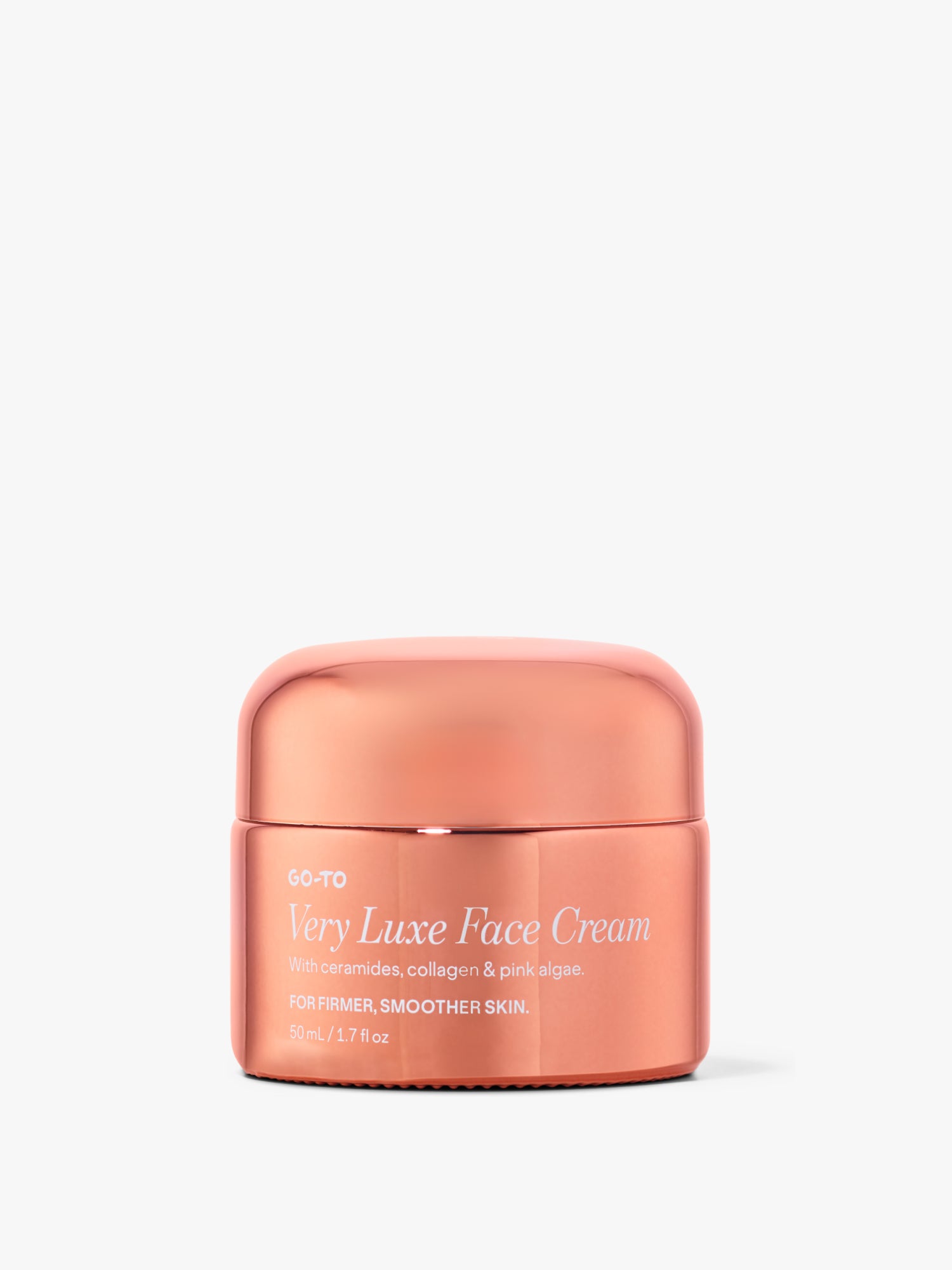
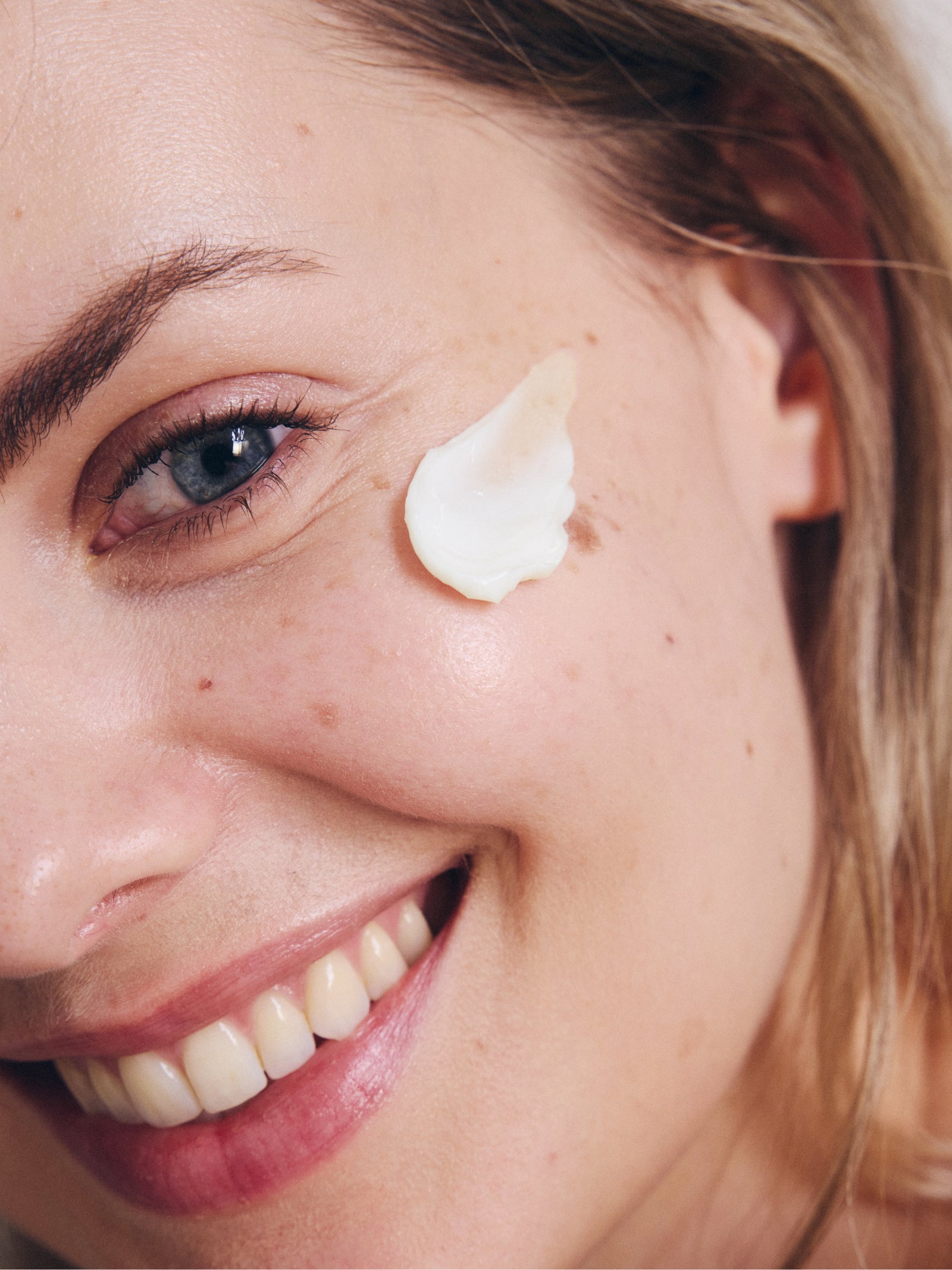
A rich, nourishing face cream can help replenish and strengthen your skin barrier to ward off inflammation and irritation. Plus, a healthy skin barrier makes sure the active compounds of retinal can effectively penetrate the skin.






-
Keep It Simple
It’s crucial that on the nights you use retinal, you ditch exfoliators. Even if you’re using a delightfully gentle retinal formula, mixing vitamin A with acids is a cardinal skin sin for a reason. It will lead to more irritation, possibly peeling, and definitely sadness.
Want more? Learn about how retinal transforms your skin.
Comments